


An X-ray of the case in legal, political, sociological and psychological terms.
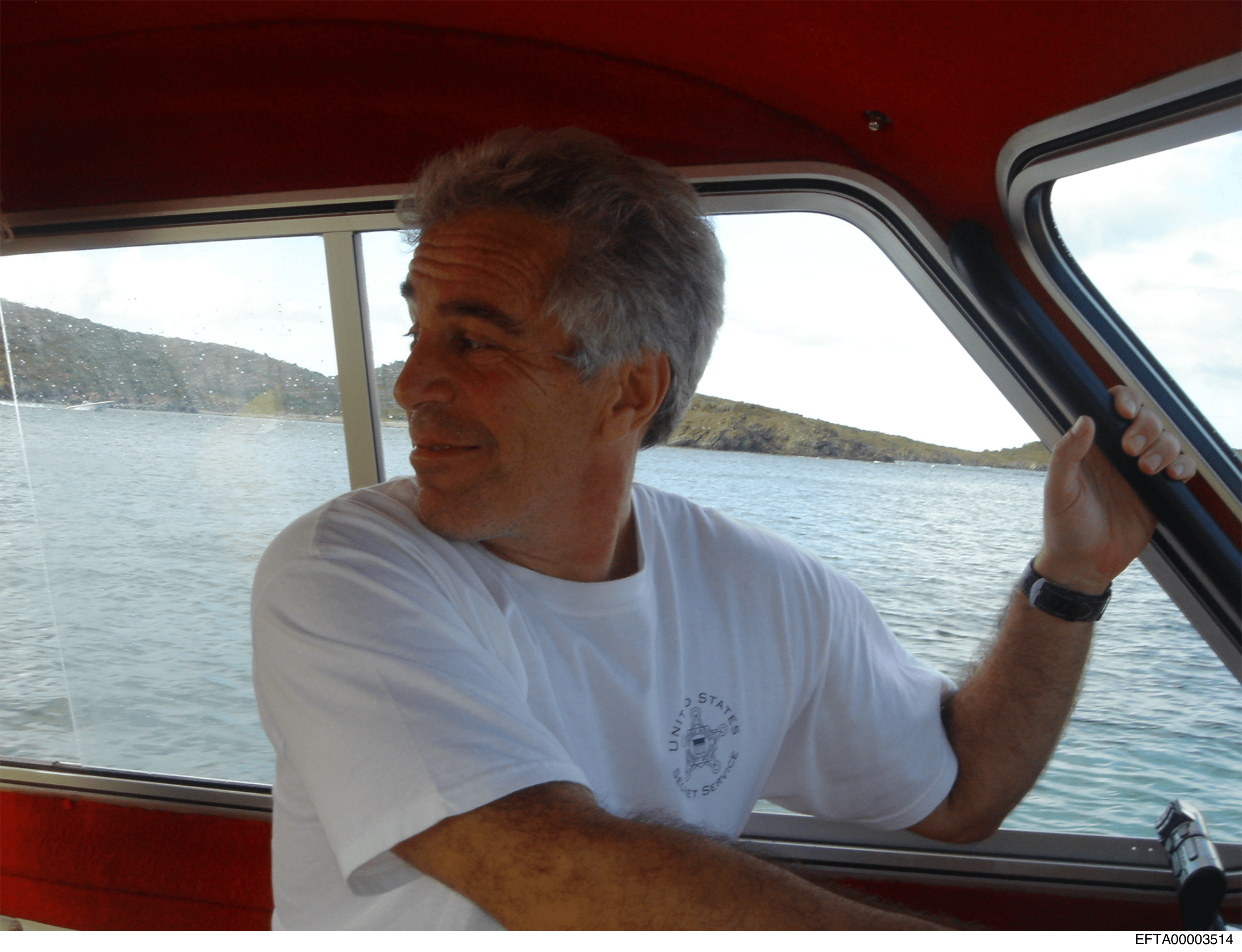

“Are you interested in massages?” None of the underage girls who heard that subtle, seemingly harmless question would have believed it would be the gateway to hell. And it was. Many of them interpreted it as a good job opportunity that would take them far away from where they came from. In reality, however, it was a sentence of deception and abuse. Most of these teenagers came from humble backgrounds or had experienced situations of abuse or mistreatment. This was how Ghislaine Maxwell, partner of Jeffrey Epstein, lured her victims into horror.
The promise of a better life or a great career was enough to walk through the doors of the Palm Beach mansion. Once inside, Epstein would ask them questions like, “Do you take birth control?” or “Describe what your first time was like”. These were more than questionable questions in a professional context, but they couldn’t risk losing the opportunity. And so they answered. This is how Virginia Giuffre, one of Jeffrey Epstein’s victims, described it in her book ‘Nobody's Girl: A Memoir of Surviving Abuse and Fighting for Justice’. When she accepted the job, she couldn’t even imagine the future that awaited her, nor the ending that lay ahead.
Through deception and false promises, the magnate and his accomplice created an abuse ring of rape, threats, and mistreatment that spanned the globe. But they did not act alone. It was a secret kept by many members of the elite, linked to names such as Donald Trump, Naomi Campbell, and Prince Andrew, Duke of York.
Privileges and impunity

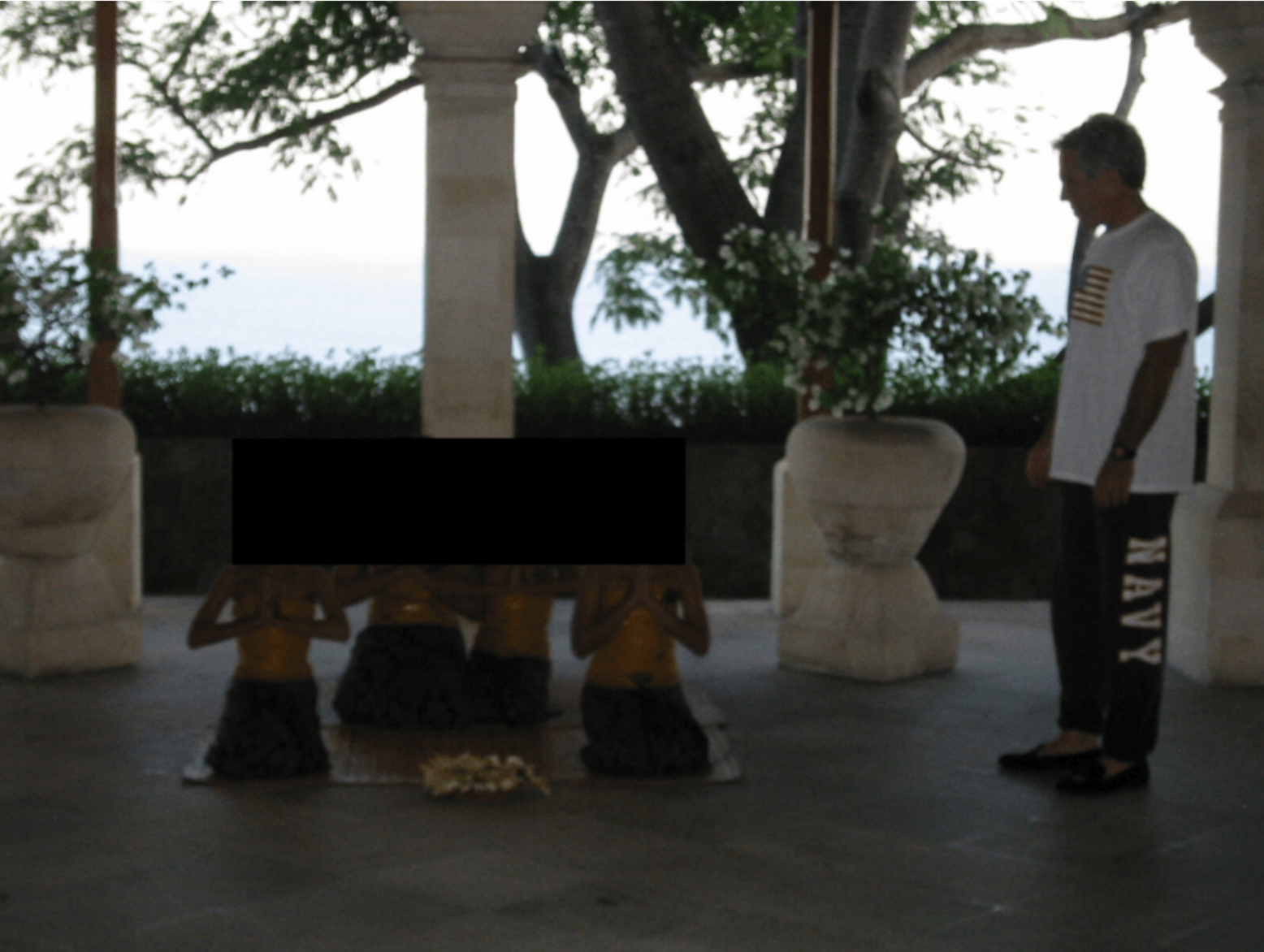
In 2008, Jeffrey Epstein was imprisoned for 13 months on state prostitution charges and was also registered as a sex offender. Despite this, the magnate benefited from what Americans call a “Sweetheart Deal”, meaning a highly favorable agreement or special treatment. Instead of serving his sentence in a state prison, he was held in the Palm Beach County jail, where he was allowed to leave on work release six days a week for 12 hours a day. In fact, the Netflix docuseries Jeffrey Epstein: ‘Filthy Rich’ explains that the magnate would leave the office almost daily and go to hotels, other houses, and even his private island, where Epstein and other possible associates carried out much of the abuse.
It wasn’t until 2018, however, that a judicial investigation was opened, with testimony from more than 60 women accusing him of sexual abuse. This led to him being behind bars once again, this time on federal charges of sex trafficking of minors. If convicted, he would have faced up to 45 years in prison. The trial, however, never took place: one month after his arrest, Jeffrey Epstein died by suicide.
In 2021, a New York jury found Ghislaine Maxwell guilty of sex trafficking of minors and sentenced her to 20 years in prison.
In early February 2026, Epstein’s former partner and accomplice, Ghislaine Maxwell, testified before the commission investigating the case and invoked the Fifth Amendment—the constitutional right against self-incrimination. She also pleaded for clemency from President Donald Trump in exchange for distancing him from any wrongdoing.
In an interview with the Diari de Barcelona, Neama Rahmani, a lawyer and former U.S. federal prosecutor, did not rule out the possibility that the Republican president could pardon her, though he considers it unlikely: “Donald Trump is very unpredictable, but I would be very surprised if he pardoned one of the most notorious sex traffickers in U.S. history”.

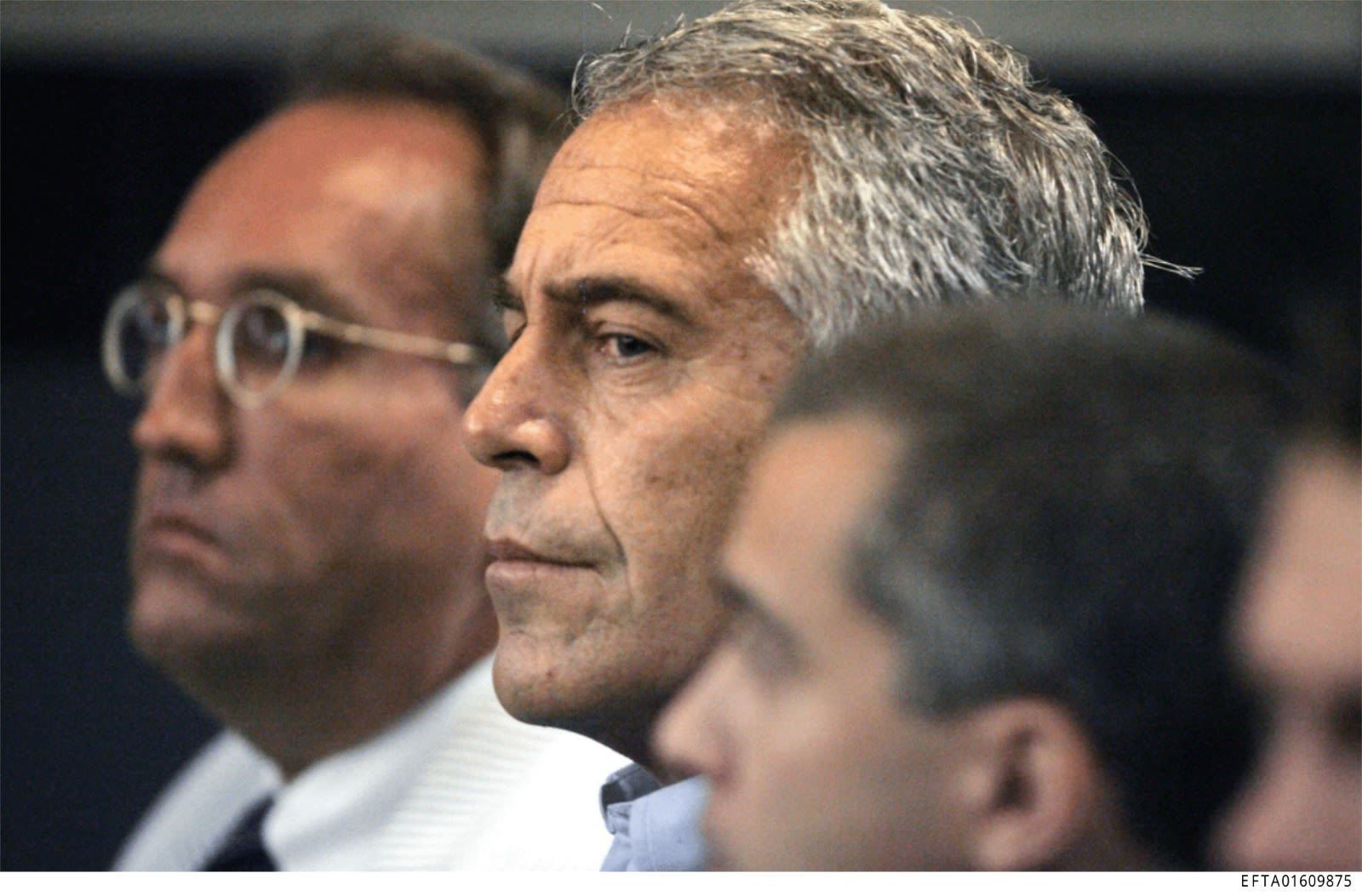
EFTA01609875. Photograph released by the Department of Justice with the Epstein case files.
EFTA01609875. Photograph released by the Department of Justice with the Epstein case files.
Without witnesses, there is no case:
The limits of justice

Since December 19, 2025, the U.S. Department of Justice (DOJ) has released over three million documents related to the case. They contain images, videos, emails, and invoices linking Jeffrey Epstein to a vast network of powerful men worldwide from the 1990s through the early 2010s.
Many of the published files reveal names or details referring to the victims, while the identities of some perpetrators remain hidden. “The DOJ should have already released all of Epstein’s files, except for information that could identify the victims. Therefore, the Department may be violating the law”, says Neama Rahmani. The DOJ spokesperson, Natalie Baldassarre, told National Public Radio (NPR) that these names were redacted because “investigations are still ongoing”.


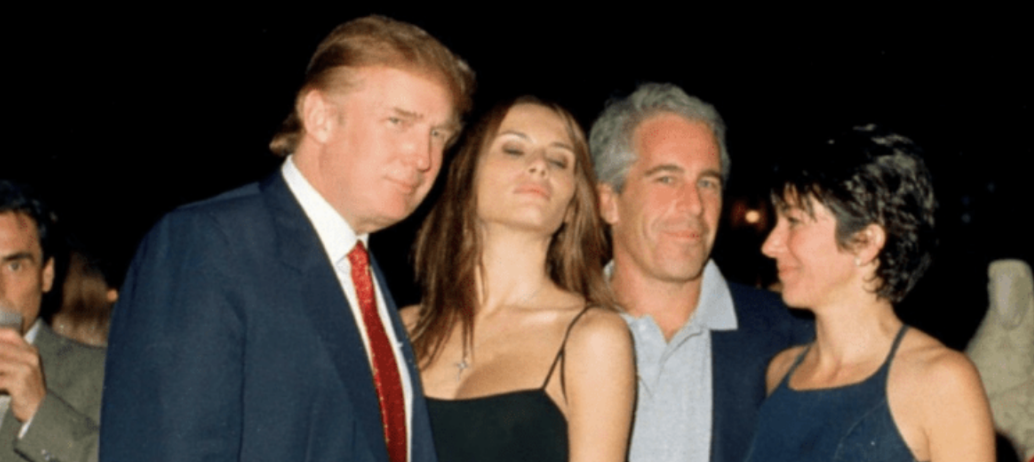
HOUSE_OVERSIGHT_037365. Photograph released by the Department of Justice with the Epstein case files.
HOUSE_OVERSIGHT_037365. Photograph released by the Department of Justice with the Epstein case files.
Neama Rahmani discusses the Epstein case in the Diari de Barcelona.
Despite the gravity of the documents, Rahmani emphasizes that “the files alone are not enough to pursue a trial”. He highlights the crucial role of victims, stating that “without a victim willing to testify, there is no case”. However, according to Rahmani, obtaining testimony is not easy. Trials of this magnitude involve long procedures, extensive questioning of victims, and even then, the final verdict does not always help them: “Many sexual abuse victims do not want to testify in court and relive the trauma so publicly. Rape is one of the most underreported crimes, and fewer than 10% of perpetrators face criminal justice”.
For psychologist Sylvie Pérez, in a case like this, it is important for victims “to be able to validate that society penalizes this behavior, and that institutions protect them so it doesn’t happen again”.
Scandal, power
and media distraction

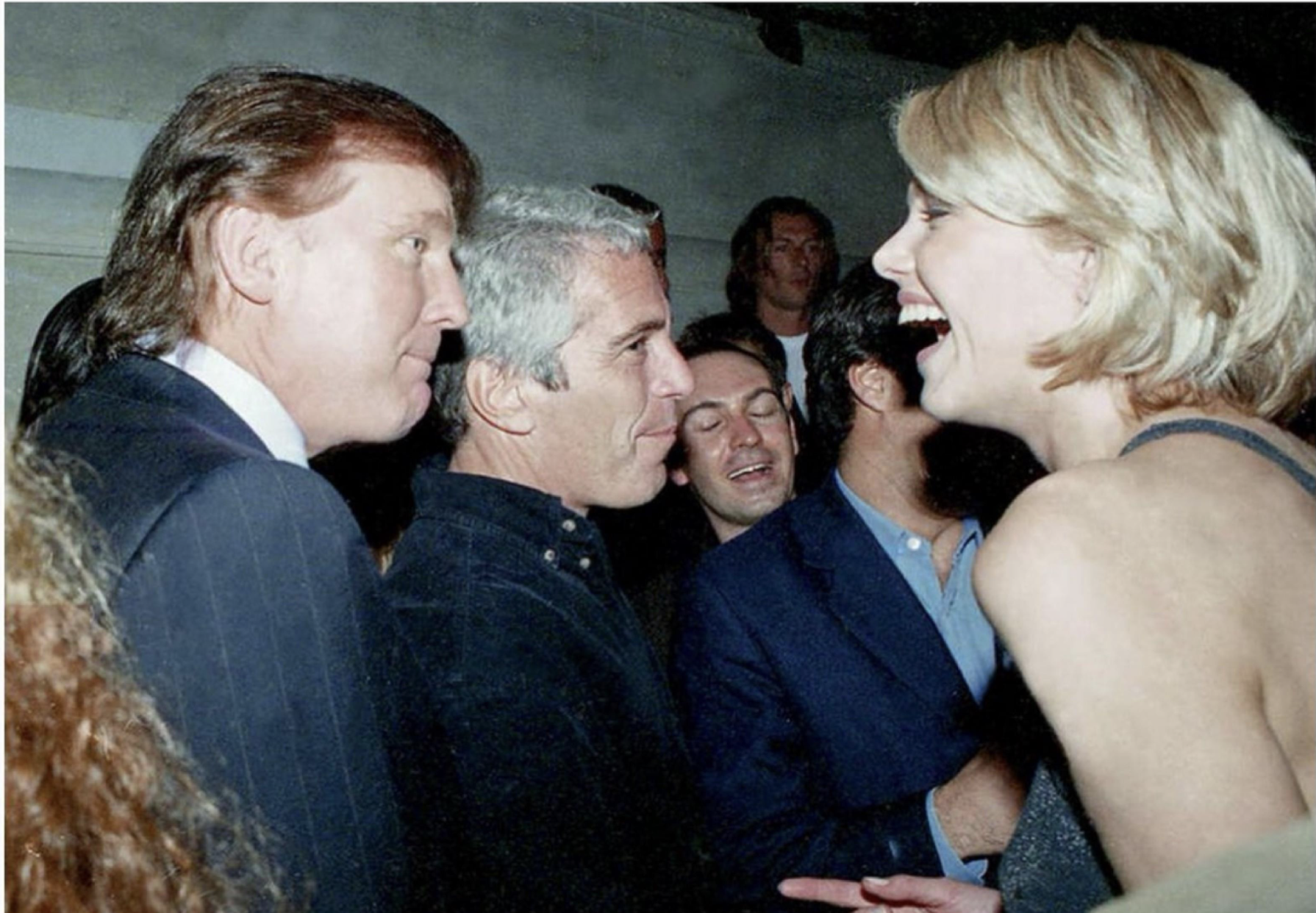
Epstein’s documents have also touched the world of politics, both in the United States and abroad. In the U.S., the most prominent figure is Donald Trump, who has avoided commenting on the case whenever possible. In fact, a few weeks ago, invited to Plaça Brusi, former New York State Attorney General and former Human Rights Watch spokesperson Reed Brody suggested that “it’s possible Trump bombed Iran to prevent people from talking about Epstein and, in that way, divert public attention”.
It is true, however, that the president’s connection to the case is largely due to the fact that they had been close friends in their youth, although Trump claims to have ended their relationship in the early 2000s. His name appears more than 5,300 times in the documents, though his direct involvement is minimal beyond papers containing anonymous victim accusations.
Despite this, no accountability has been taken in the United States: “The mantra of the Trump administration is that no one resigns”, comments Roger Senserrich, a political scientist and U.S. politics specialist. On the other hand, he notes that the publication of the documents has, to some extent, “had more impact in Europe than in the United States”.
In England, Prince Andrew, Duke of York, who features prominently in the files, was arrested—and later released—for misconduct while holding a public office. Additionally, the case of Peter Mandelson has also been notable. Mandelson was arrested on the same charge as Prince Andrew, triggering a political crisis in the United Kingdom. In this context, British Prime Minister Keir Starmer had to defend himself, stating that he regretted having appointed him: “If I had known then what I know now, he would never have been near the government”, he said.
“It’s possible Trump bombed Iran to prevent people from talking about Epstein and, in that way, divert public attention”— Reed Brody, former New York State Attorney General and former Human Rights Watch spokesperson
The first release of files coincided with the DOJ’s deadline for making them public. American academic and legal expert Beth Noveck—recognized as the driving force behind the Open Government initiative at the White House—told the Diari de Barcelona that the delay in publication “is a common strategy to overwhelm people with so much information that they can’t make sense of it”. She added: “Sometimes, this allows a secret to be hidden in plain sight”.
Roger Senserrich agrees with Noveck’s view: “It seems that the White House and the Department of Justice have used the strategy of releasing everything at once so that it doesn’t become a trickle of information”. By doing this, the goal is to divert attention and prevent the case from staying constantly in the spotlight. In this sense, Senserrich notes that it is very difficult for the press to focus on a single topic: “There is always another scandal; every day there is one or two new outrageous things”.


EFTA00007086. Photograph released by the Department of Justice with the Epstein case files.
EFTA00007086. Photograph released by the Department of Justice with the Epstein case files.


HOUSE_OVERSIGHT_083462. Photograph released by the Department of Justice with the Epstein case files.
HOUSE_OVERSIGHT_083462. Photograph released by the Department of Justice with the Epstein case files.







The system behind the abuse:
Power and domination
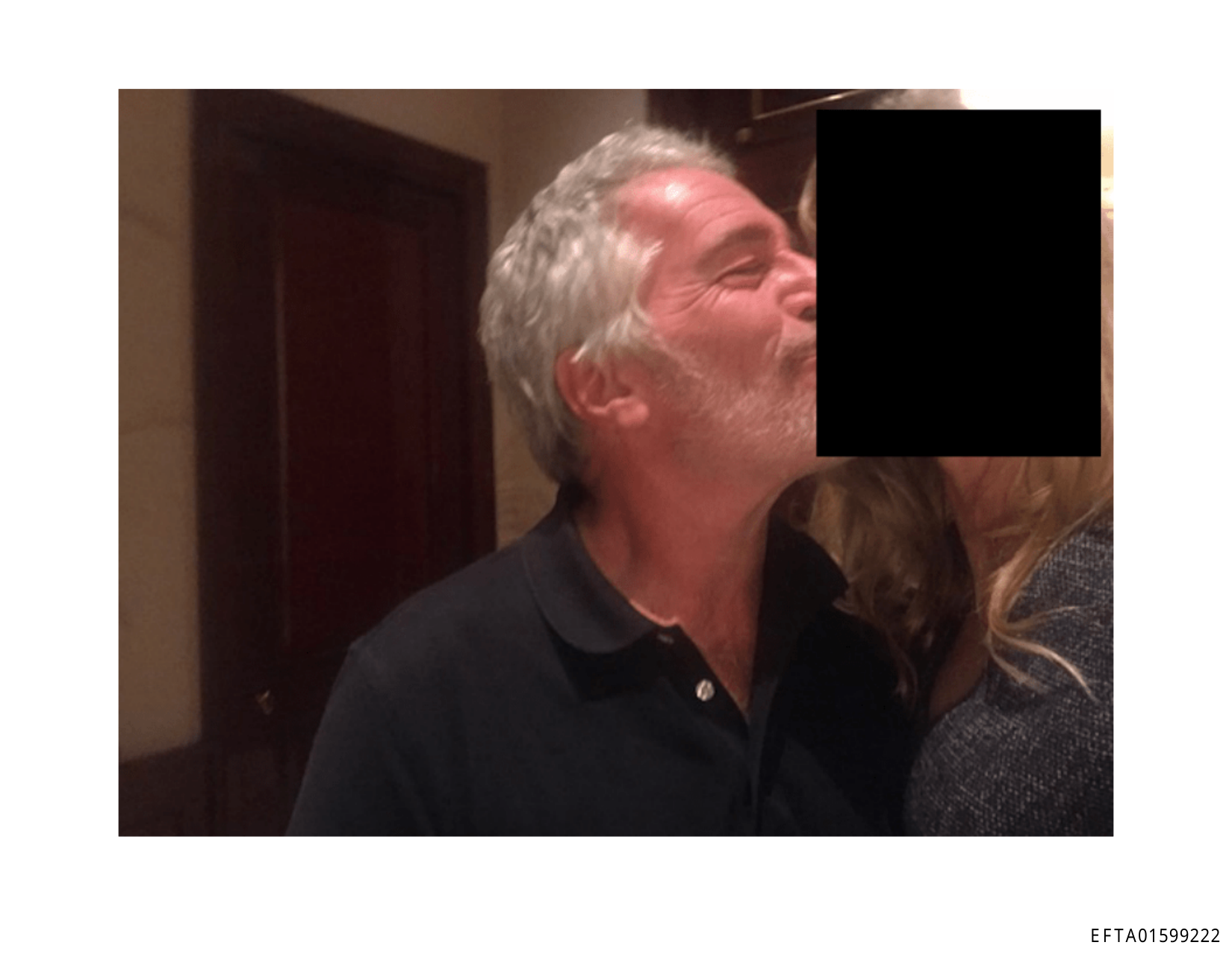
Beyond the media scandal or the lurid narratives that often accompany these cases, what lies behind is a structure of domination that runs through society and is especially brutal in spaces of privilege. “It’s not just about sex, it’s about power”, notes catalan sociologist Cristina Sánchez.

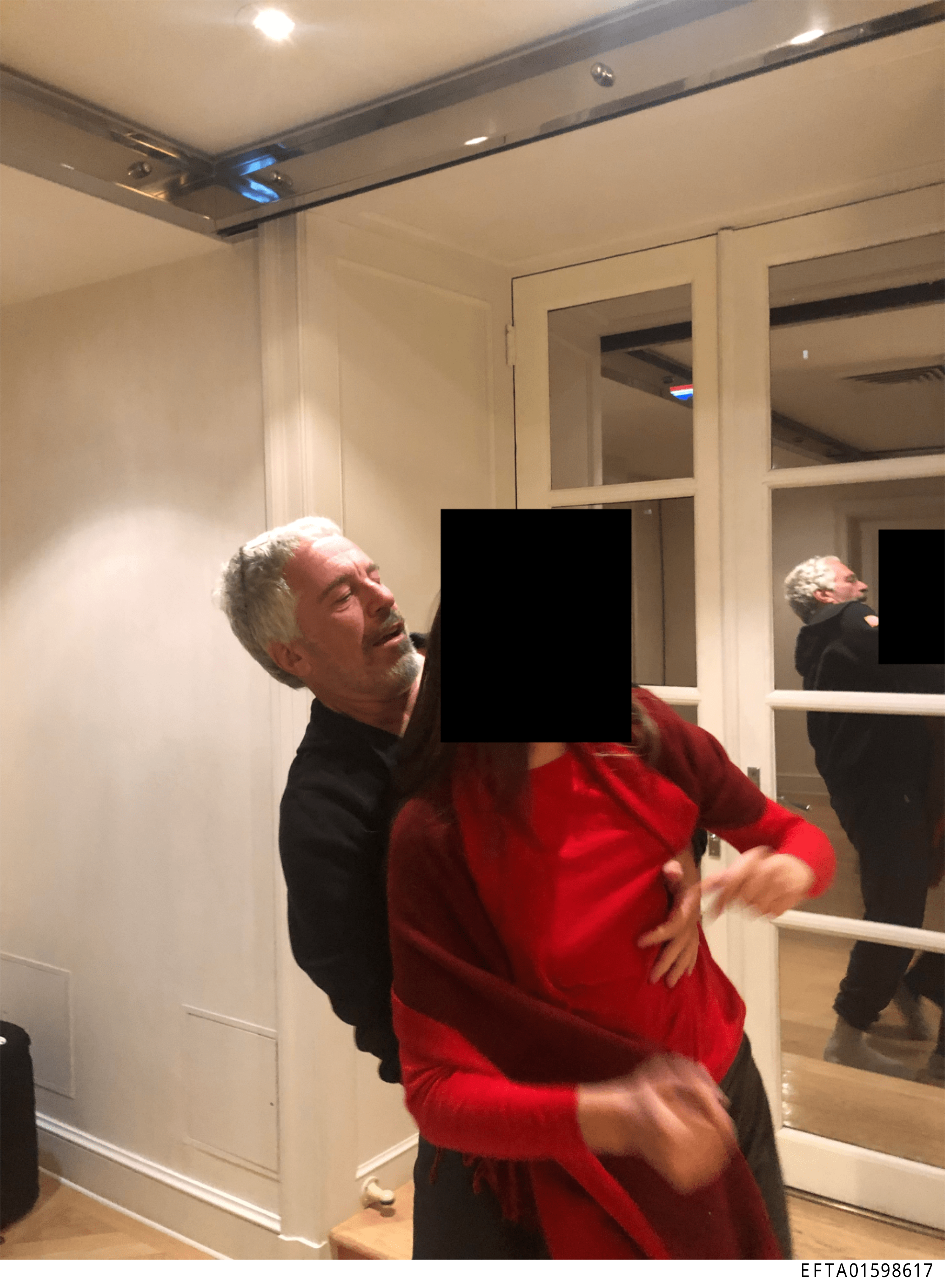
EFTA01598617. Photograph released by the Department of Justice with the Epstein case files.
EFTA01598617. Photograph released by the Department of Justice with the Epstein case files.
Virginia Giuffre’s testimony recounts with chilling precision a pattern that was repeated with thousands of victims. At just 16 years old, she was lured with promises of a future and drawn into a ring where boundaries disappeared. There were complicities, silences, and conflicting interests: some participated actively, while others remained silent to avoid losing their place within the circle of power. “It’s like a mafia network”, notes the sociologist.
According to Sánchez, this passivity is part of a system in which “power necessarily expresses itself through domination”, and where impunity is an additional incentive. For this reason, the expert insists that reducing it to a sexual issue misses the point. “Sex is the excuse”, she states.
“It’s not just about sex, it’s about power, and power necessarily expresses itself through domination”
Cristina Sánchez, sociologist
What they really want is absolute domination over another person—the ability to subjugate and erase them; the power to “do whatever you want to someone” without consequences, notes the sociologist. “My body couldn’t escape the room, but my mind couldn’t bear to stay”, Giuffre recounted in her book, describing how she dissociated to endure the abuse. Epstein even threatened her, saying he knew where her younger brother went to school and warning her not to report him because he was “the boss of the Palm Beach police department”.

EFTA01648695. Video released by the Department of Justice with the Epstein case files.
EFTA01648695. Video released by the Department of Justice with the Epstein case files.
In this dynamic, economic power is closely tied to patriarchy. Prince Andrew, Duke of York, for example, is described in Giuffre’s book as “nice enough, but still ‘entitled’—privileged—as if having sex with me were his birthright”. However, the expert points out that “there are also women who participate in or uphold these structures”, whether for their own benefit or to survive within the system.
"Prince Andrew was friendly enough, but still entitled – as if he believed having sex with me was his birthright"
Virginia Giuffre, Epstein victim
Ghislaine Maxwell’s role was to deactivate the victims’ alarms and facilitate their entry into the ring. In fact, Giuffre also recalled it this way: “The fact that a woman was with me made me breathe more easily. The deception hurt me even more because I naïvely fell into her trap”.
Despite the gravity of the case, Sánchez asserts that “more coverage is given to isolated events than to an issue with global and structural implications”. The lack of continuity in reporting also reflects the discomfort of pointing out power structures that involve influential actors. “Journalism no longer functions as a fourth estate, and this is one of the reasons why many powerful people will face no consequences for what they have done”, concludes the sociologist.
The predator’s mind
and the weight of trauma


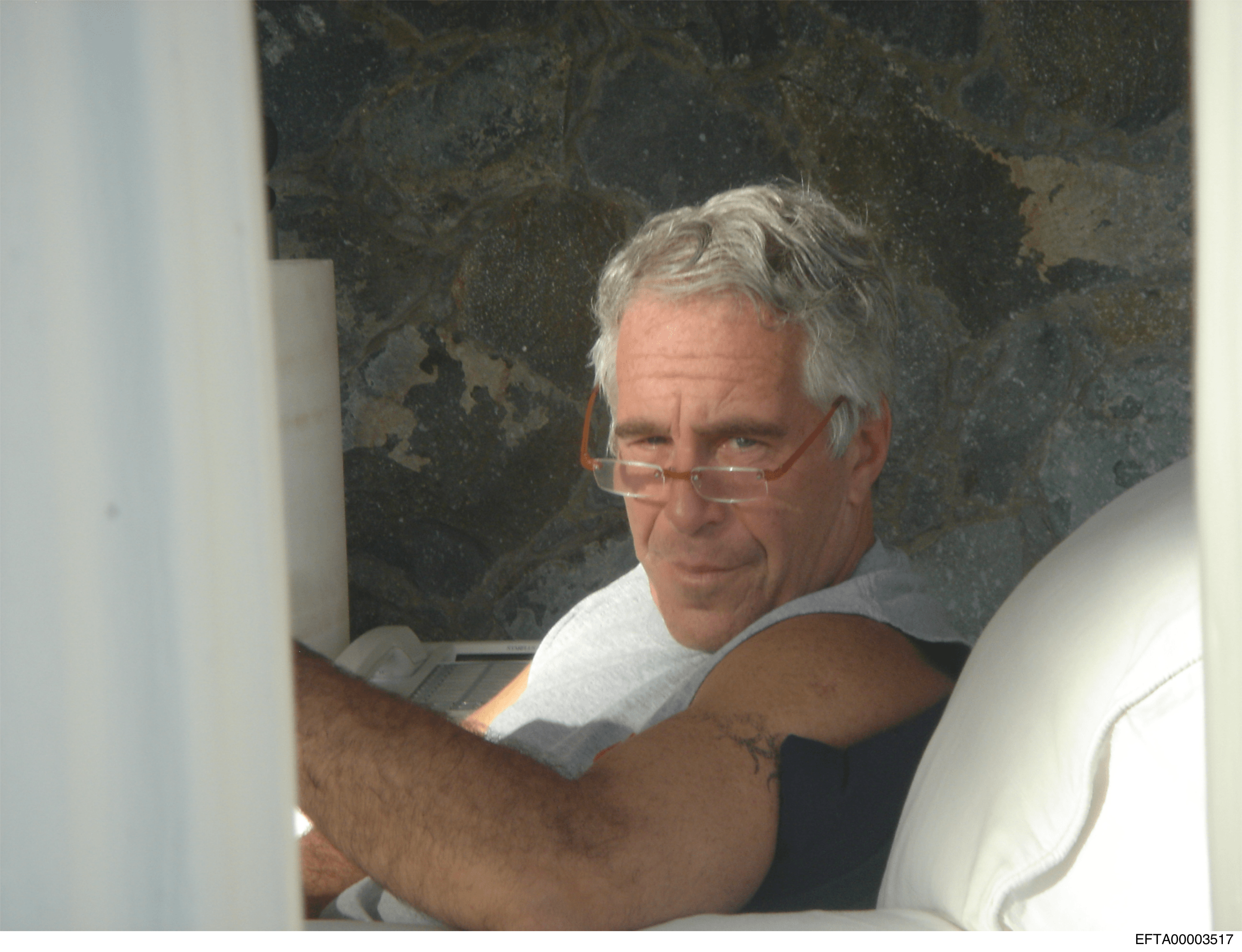
The Epstein case cannot be understood through a single clinical label. According to psychologist Sylvie Pérez, it involves a combination of personal, social, and structural factors that form a “predatory behavior”. This is a profile that, she notes, may be linked to paraphilic interests, but goes beyond that. The key is the objectification of the victim, where the person ceases to be a human being and becomes “a thing that can be used”, the expert explains. Giuffre described it as her body being reduced to a function within a power dynamic.
But how is it possible to cause so much harm without being haunted by remorse? This type of profile is often linked to narcissistic and antisocial traits. People like Jeffrey Epstein “don’t so much decide to eliminate remorse; they simply don’t feel it, because they haven’t reached the stage of moral development”, explains the psychologist. In this sense, “power does not create abusive behavior, but it enables it to be sustained”. In Epstein’s case, his position allowed him to build “environments of silence” and maintain his impunity for years.
This explains how he could have a dual persona: that of a socially integrated, even charming man—as many victims described him before being abused—and at the same time, that of a systematic predator. “A powerful antisocial individual can be very seductive because they have a manipulative profile”, she adds.
That is why many people have trouble believing the official story of Epstein’s suicide, spawning countless conspiracy theories ranging from assassination to claims that the magnate is still alive. Pérez interprets the suicide not as a “Disney story where good triumphs over evil”, but as a way to reclaim control before others can destroy him. This logic, once again, puts the focus on power, not remorse.
For the victims, the psychological impact is profound and long-lasting. Extreme situations like these create a sense of helplessness that is reinforced when “nothing is happening” at the institutional level. This lack of response fuels distrust and hinders recovery: “When you see that the system fails, the possibility of repairing the harm is even more blocked”. If the harm is not addressed, as has been the case for Epstein’s victims, it can lead to suicide. This was the case for Virginia Giuffre, who died by suicide on April 25, 2025.
The most disturbing aspect of the case is seeing how violence can coexist with normality when power protects it. Epstein was not a crack in the system; he was one of its most extreme expressions. As Virginia Giuffre warned, “Epstein was not an isolated case”. Accepting this means understanding that the problem runs through much deeper structures that continue to operate today and does not end with the fall of a single name.
.
.
.
Written by Núria Abate, Paula Lameiro and Dúnia Drudis
.
.
. (COPY)

 Built with Shorthand